2026-08-27 · 2 min read
The train that rewrote the Silk Road itinerary
Two hours instead of five in a car changes more than the schedule. It changes which hours of the day you get to spend on tilework.
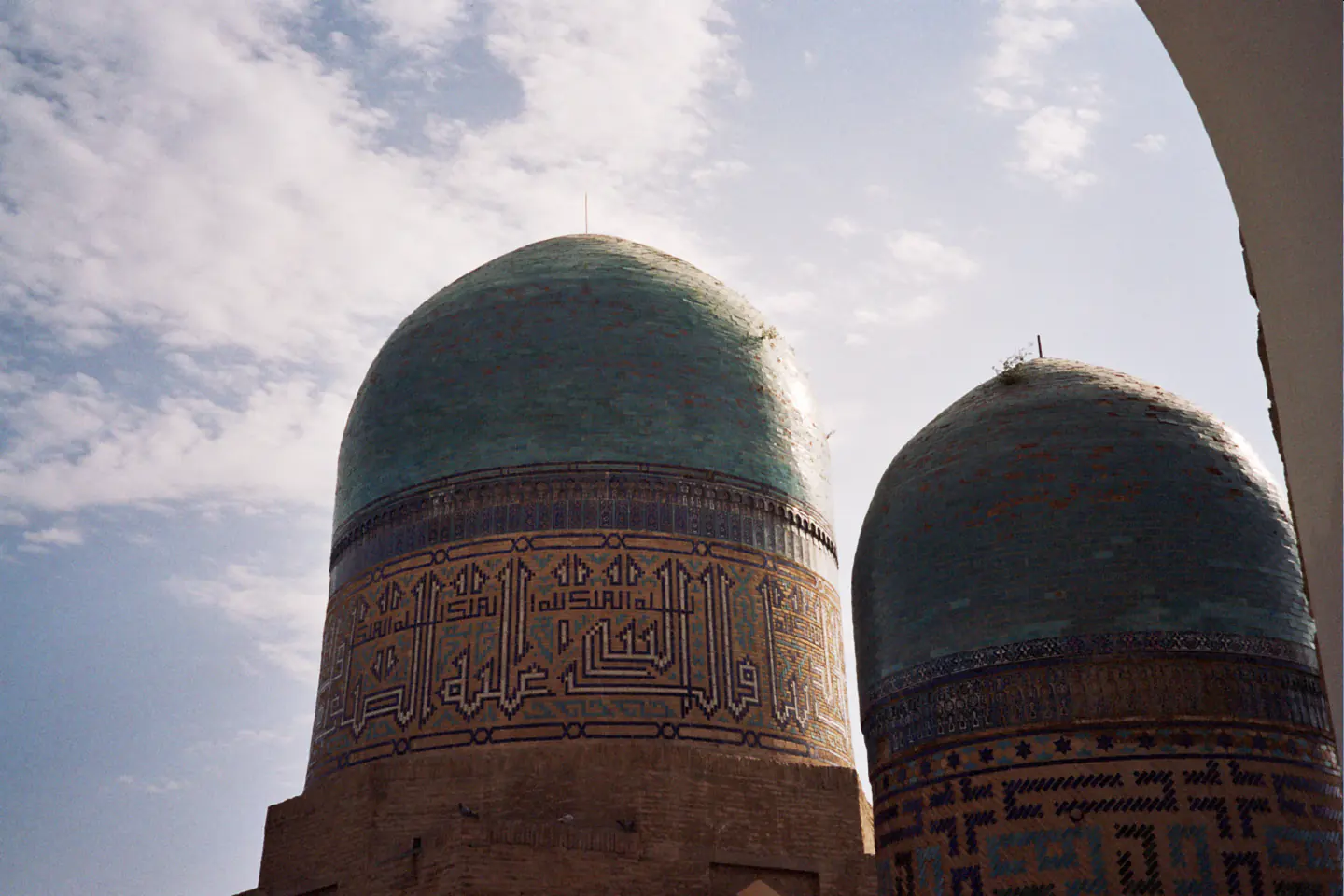
Before the Afrosiyob, a Tashkent–Samarkand–Bukhara itinerary was built around driving. Five hours to Samarkand, another five to Bukhara, and because those hours had to come from somewhere, they came out of the two hours a day when the light on Timurid tilework is worth crossing a continent for.
What changed
Tashkent to Samarkand is now a little over two hours, city centre to city centre, at up to 230 km/h. Samarkand to Bukhara is about ninety minutes. The whole spine of the country is a morning, not a day.
What we do with the time
- Shah-i-Zinda in the first hour of opening, when the light comes down the avenue sideways and the mausoleums are empty.
- A late-afternoon second visit to the Registan, because the same square at 17:00 is a different building from the same square at 11:00.
- A full working morning in a Bukhara silk workshop instead of forty minutes squeezed before a drive.
- Evenings that end where you are staying, not in a car park outside it.
The catch
Seats sell out. In April, May and September the good departures are gone weeks ahead, and the alternative is the drive we just spent this article avoiding. We book rail before hotels for this route — it is the only itinerary we run where the train, not the room, is the constraint.
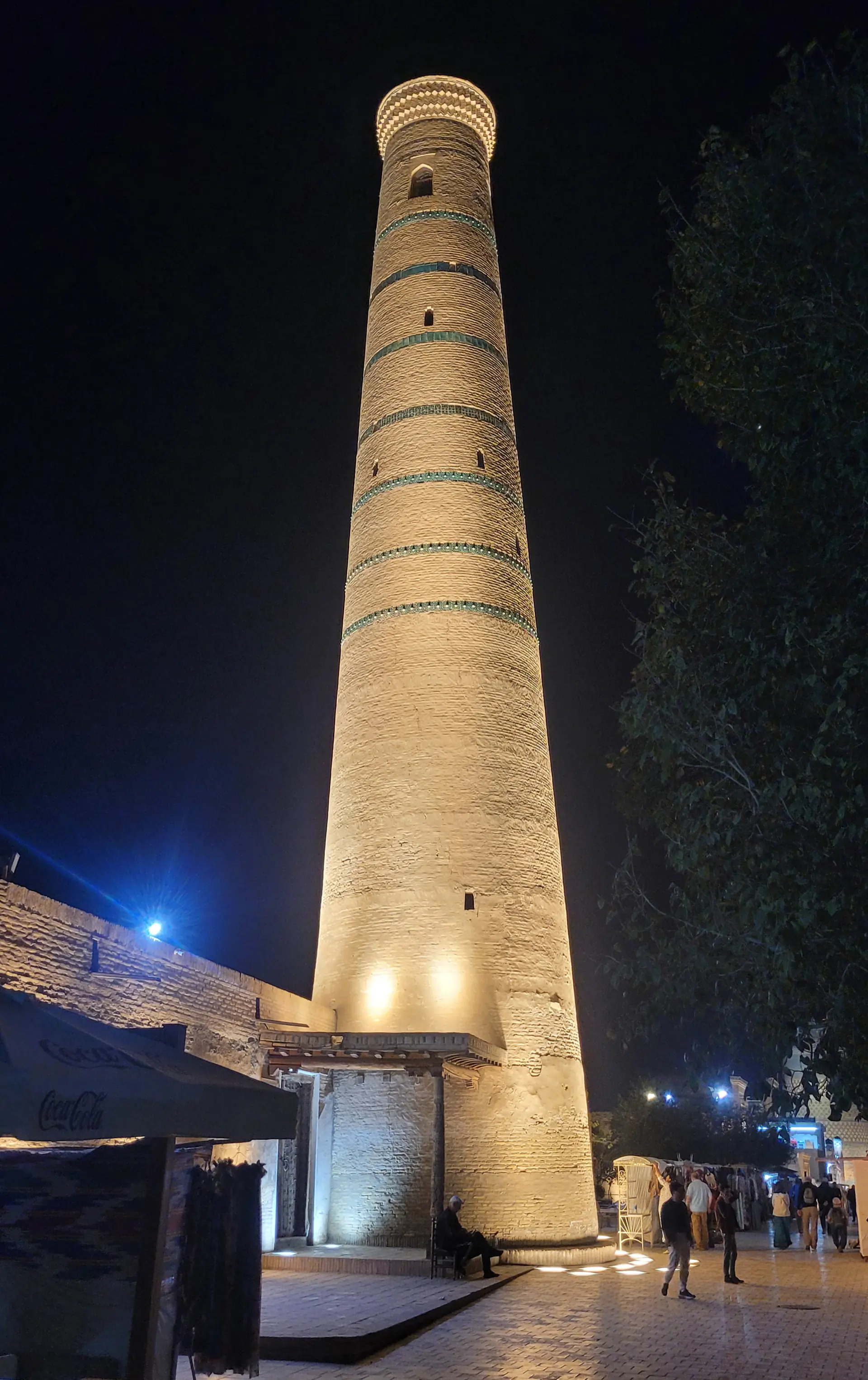
Khiva is still a drive
Bukhara to Khiva is a long, flat crossing of the Kyzylkum and there is no shortcut. We think it is part of the point: the emptiness between the cities is what made them extraordinary in the first place. But go into it knowing it is five to six hours, and take the good car.
The train did not make the Silk Road faster. It made it slower in the places that deserve it.